
Seventh year · Scotland's Seattle Study Club affiliate
Not a lecture series
A safe space to discuss the realities of being a dentist — where egos are left at the door. Hosted by me, supported by Flora Couper.
- 28 CPD hours in the room, plus the Seattle Study Club online library
- 9 speakers, most of them flown in — the full calendar is below
- Twenty-odd dentists, the same faces all year, small enough to actually talk









9 speakers · 2026/27
We learn from each other,
not just from the front
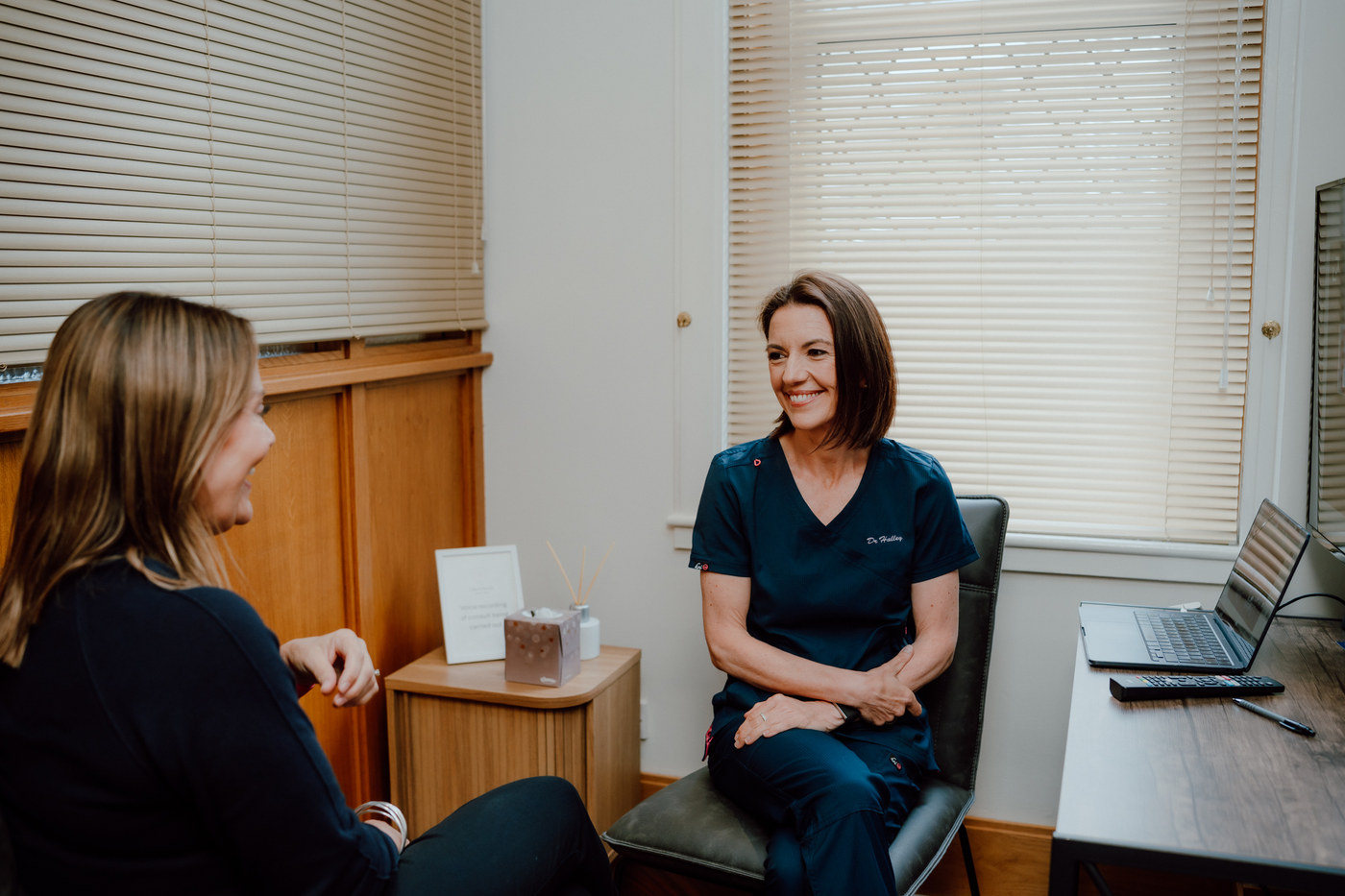
The philosophy is straightforward: we all learn together and from each other, no matter our experience. That sounds like a nice sentiment until you've sat in a room where a twenty-year principal and a two-year associate are working the same case and both leave with something.
It means bringing the case that's bothering you rather than the one that went well. It only works if the room is safe, so protecting that is most of my job.
How it works
The shape of the year
| Season | September to June |
| Evenings | Monthly · 6.30pm for a 7pm start, finished promptly at 9pm |
| Full days | Two hands-on intensives |
| Opens with | A kick-off dinner |
| CPD | 28 hours in person, plus the Seattle Study Club online library |
What's included
| Every session and workshop across the year |
| Access to the Seattle Study Club members' site and its library |
| The members' WhatsApp group — where most of the real case discussion happens |
| Twenty-odd dentists who will still take your call in March |
This season's theme
All paths lead forward
Every member brings different experience and a different way of seeing a case. What moves us on isn't any one of those — it's what happens when they're in the same room. Wherever you're starting from, the direction is the same.
Every session from October onwards is at the Dakota Edinburgh, South Queensferry.
The 2026/27 calendar
Nine sessions. Evenings run 6.30pm for 7pm and finish at 9pm; full days run 9am to 5pm.
Sep Wed 9 September 2026DoubleTree by Hilton, St Margaret's Head, North Queensferry Alison Wood Brooks, PhDBringing Our Best Selves to Every Conversation
The science of conversation, and why even easy ones leave opportunities on the table — for connection, for creativity, and for navigating conflict.
On completing this session you should be able to:
- Develop greater self-awareness and confidence in navigating meaningful and productive conversations
- Integrate insights from the science of conversation to build stronger relationships within your team
- Identify the psychological and behavioural principles behind conversational success
Oct Thu 1 October 2026Dakota Edinburgh, South Queensferry Marcelo Calamita, DDS, MS, PhDEsthetic Diagnosis: A Pragmatic Approach
A systematic approach to the aesthetic aspects of anamnesis and clinical examination, and how to correlate what you find with functional, structural and biological findings.
On completing this session you should be able to:
- Identify the critical aesthetic aspects to consider during anamnesis and clinical examination
- Apply a systematic approach to analysing data and building it into the treatment plan
- Negotiate conflicts between the ideal aesthetic design and biological, structural and functional needs
Nov Thu 19 November 2026Dakota Edinburgh, South Queensferry William Nudera, DDS, MSThinking Endodontics: The Intersection of Science, Logic and Theory
An algorithmic approach to endodontic decision-making — systematic pathways for diagnosis, prognosis, and the choice to retain or replace.
On completing this session you should be able to:
- Work with scenario-driven endodontic decision making
- Use systems and protocols to reach accurate diagnoses and prognoses for endodontically involved teeth
Jan Full day Fri 8 January 2027 · 9am–5pmDakota Edinburgh, South Queensferry  Elaine Halley & Flora Couper, RDHFour Patient Types; Four Presentation Strategies
Identifying the four patient personality types and tailoring case presentation to each — a structured framework that guides patients to confident decisions without it ever feeling like selling.
On completing this session you should be able to:
- Understand the neuroscience of trust and build rapport from the first interaction
- Identify the four patient personality types and adapt your communication to each
- Implement a consistent, repeatable treatment presentation structure
- Conclude accepted plans that result in appointments in the diary
Feb Thu 4 February 2027Dakota Edinburgh, South Queensferry Robert Margeas, DDSInnovative Ways to Solve Complex Clinical Challenges
Two treatment-planning challenges worked through in roundtable format, with the room asked to think past conventional solutions.
On completing this session you should be able to:
- Treat complicated, localised restorative challenges more predictably
- Think critically and unconventionally about difficult area-specific restorative dilemmas
Mar Thu 18 March 2027Dakota Edinburgh, South Queensferry Alvaro Blasi, DDS, CDT, PhDSimplified Protocols to Immediate Implants in the Esthetic Zone
Managing immediate implants in the aesthetic zone from surgical through to restorative — positioning, soft tissue management and prosthetic workflows.
On completing this session you should be able to:
- Describe the surgical and prosthetic principles behind successful immediate placement in the aesthetic zone
- Implement a step-by-step approach to soft tissue management and restorative workflow
Apr Full day Fri 16 April 2027 · 9am–5pmDakota Edinburgh, South Queensferry Dr Andrea SheppersonOcclusion and Tooth Wear: From Diagnosis to Design
Tooth wear is one of the most under-managed conditions in dentistry — not for lack of skill, but because the frameworks were missing from training. This day integrates smile analysis, functional evaluation, aetiology, digital planning and restorative sequencing into one system.
On completing this session you should be able to:
- Recognise and classify tooth wear, including severity and clinical significance
- Apply a structured framework for when to monitor, when to intervene, and why
- Identify the aetiological drivers in individual patients and address them in the plan
- Conduct a Smile Analysis evaluation and integrate facial, dental and soft tissue findings
- Perform functional evaluation of the occlusion, including vertical dimension
- Use digital tools for simulation, patient communication and prosthetic design
- Understand the role of orthodontics in the worn dentition, and when to refer or co-treat
May Thu 13 May 2027Dakota Edinburgh, South Queensferry Lora Hooper, BSDH, RDH, EFDAThe Inflammation Code: From Breath to Biofilm to Blood
The inflammatory pathways connecting airway dysfunction, oral biofilm imbalance and vascular inflammation — and an integrative framework for reading sleep, saliva and systemic data together.
On completing this session you should be able to:
- Identify the link between sleep-disordered breathing, nitric oxide depletion and shifts in the oral microbiome
- Interpret salivary diagnostic results and the role of specific bacterial, yeast and viral species
- Analyse inflammatory blood biomarkers as they correlate to dentistry
Jun Thu 10 June 2027Dakota Edinburgh, South Queensferry Michael Gunson, DDS, MDGreat Lips: The Outward Expression of Excellent Esthetic Dentistry
How teeth support lip fullness and projection, define lip curl and vermillion exposure, and shape movement and expression — and how to build that into the plan.
On completing this session you should be able to:
- Identify how restorative dentistry, orthodontics and cosmetic procedures can enhance lip aesthetics
- Communicate lip-related treatment goals across the interdisciplinary team
Membership
Joining for 2026/27
- New members
- £1,650or £139 per month
- Returning
- £1,300or £110 per month
Open to non-members
The full days stand on their own
The two full days aren't longer versions of the evenings — they're a different thing for a different audience. Dentists travel for them. A limited number of places can be booked separately, with priority to members.
8 January 2027Four Patient Types; Four Presentation Strategies — Elaine Halley & Flora Couper, RDH16 April 2027Occlusion and Tooth Wear: From Diagnosis to Design — Dr Andrea SheppersonMembers
What the room is actually like
“The Pathfinder Study Club is excellent at inspiring a whole-person approach to dentistry. I feel motivated, inspired and it is fun.”
 Dr Olivia ArthurQueens Drive Dental Practice, Glasgow
 “Ideally located and timed. Having regular evenings planned across the year was great. I would highly recommend and I am looking forward to attending next year.”
 Dr Lee McMenaminDentistry No.3, Dunfermline
 “The sessions weren't just theoretical; they gave me greater confidence in diagnosing, planning, and managing more complex cases. The discussions with experienced clinicians and like-minded colleagues also made it a fantastic environment to learn and grow. I'd highly recommend the Study Club to anyone looking to develop their clinical skills, broaden their knowledge, and become a more confident clinician in a supportive setting.”Dr Rami Al LahamPathfinder Study Club member
“Each month covers a different area of dentistry, with a great mix of practical, evidence-based teaching and open discussion. I always come away with something I can immediately apply in practice, and it's been a brilliant way to develop my skills and confidence as a clinician.”Dr Niall BradleyPathfinder Study Club member
Frequently asked
Can I book just one or two sessions?
Not the evenings, no. The club works because the same people are in the room all year — that's what makes it safe enough to be useful. The two full days are the exception and can be booked separately, with priority to members.
I'm not very experienced. Is it for me?
Yes. The club is deliberately a mix. Every member who's come through has taken what they needed from it, whatever stage they were at.
When do I pay?
We confirm your place once there's a payment commitment. Pay annually for the best rate, or monthly.
Who do I ask?
Heather looks after everything administrative — dates, membership and payment. pathfinderstudyclub@gmail.com